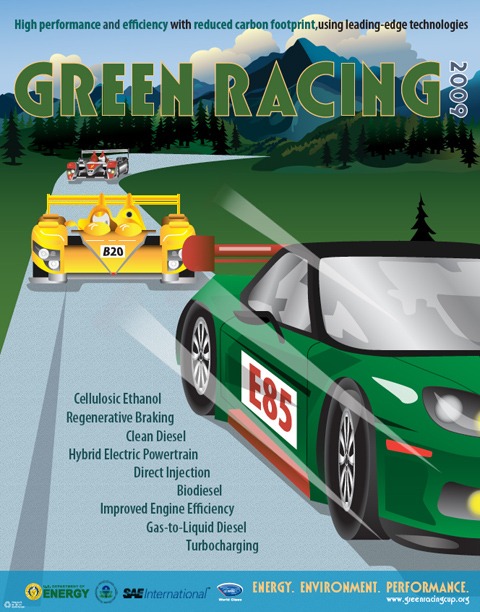
 Green Racing Poster promotes the DOE, EPA, SAE collaboration to promote making racing relevant again.
Table of Contents
- Overview
- Green Racing Protocols
- American Le Mans Series Green Challenge/Tudor United IMSA Green Challenge
- MICHELIN® Green X® Challenge
- Jetta TDI Cup
- Motorsport Industry Association's Energy Efficient Motorsport Initiative
- Union for the Promotion of Oil and Protein Plants
- TTXGP (The Electric Motorcycle Races)
- Mid-Ohio American Le Mans Series
- Petit Le Mans at Road Atlanta
Overview
Some car racing is more relevant than others. This page will focus on programs that promote technological innovations developed in car racing programs applied to make consumer cars go faster more efficiently and, especially, more sustainably.
For relevant articles, click on the Green Racing category along the right margin.
These include strange stories of chocolate-powered race cars and cashew-built ones; along with information about the use of cellulosic ethanol and bio-isobutanol in race cars and the development of race series dedicated to using auto racing as a platform for research on technologies for consumer applications.
Also, series of articles by Joanne Ivancic and Robert Kozak cover green racing as it develops in the American racing world. Read interviews with leaders in race technology development and management with an emphasis on advanced biofuels.
Much is being done; so much more needs to be accomplished. This page will recognize racing teams and series for how they encourage and promote development of technologies that will lead to more efficient use of resources, cleaner running transportation and conscientiousness about all the ways we can diminish the impact of human activities--necessary and recreational.
Green Racing Protocols
In 2006, members of the US Department of Energy, Environmental Protection Agency, SAE International, and several automotive industry leaders came together to form the Green Racing Working Group to develop the Green Racing Protocols. These protocols call for a joint DOE/EPA/SAE International awards program to incentivize, recognize, and reward automotive industry leaders that go the farthest and fastest with the smallest environmental footprint for energy used. Announced at the Detroit Auto Show, the American Le Mans Series became the first automotive racing series to adopt the Green Racing Protocols. READ MORE
The protocols, SAE J2880, are available through SAE International. If individuals are interested in acquiring the protocols, they can be ordered through SAE directly by calling 1-877-606-7323 (US & Canada) or 1-724-776-4970 (outside US & Canada) or purchased at the SAE web site.
American Le Mans Series Green Challenge/Tudor United IMSA Green Challenge
US DOE and EPA wanted to find a race series that would be prepared to listen to ideas about how to introduce green thinking and fuel efficiencies to the race track. SAE International was their first stop. Officials there told them there was only one fit – the American Le Mans Series. With a rules structure that not only allowed technical innovation but encouraged it, SAE International felt the world’s top sports car series would at least be intrigued.
After all, the American Le Mans Series was the only race series in the United States to have introduced multiple street legal alternative fuels to its grid. The first salvo came in 2006 with the introduction of a turbo diesel race car by Audi Sport North America. The following year, 2007, the Series introduced ethanol…but not rocket-to-the-moon ethanol. It was an E10 blend, a mixture of 10 percent ethanol and 90 percent gasoline which was virtually the same mix as the consumer could find at the service station, thus once again demonstrating the Series’ dedication to automotive relevance. Then in 2008 came E85, an 85 percent ethanol-gasoline blend. But again this wasn’t the normal food-chain ethanol. It was a cellulosic ethanol made from wood waste. Later that year, Corsa Motorsports working in conjunction with the Zytek Group, announced that it would run a full-season schedule in 2009 using a E10-electric hybrid. READ MORE and MORE
The American Le Mans Series merged with the GrandAm Series (affiliated with NASCAR) and at in a ceremony at the 2014 Rolex 24 Hours at Daytona, Scott Atherton, president of IMSA, signed five year agreements with US Environmental Protection Agency, US Department of Energy, and SAE (Society of Automotive Engineers) to continue the Green Racing Challenge, now called IMSA Green.
Promoted as the race among the world’s automotive manufacturers and energy companies to develop sustainable transportation solutions for the future, it focuses on accelerating vehicle innovation from the “racetrack to the road.”
In keeping with the emphasis of resource sustainability, the new trophy is fashioned from bamboo and recycled glass.
All the sports cars running in the Grand Touring Le Mans (GTLM) class, and this includes Corvettes, Chrysler Vipers, Porsches, Ferraris, BMWs, and Aston Martins, will participate in this race within a race, fueled with cellulosic ethanol blends for 24 hours of racing. IMSA’s TUDOR United SportsCar Championship also features the revolutionary DeltaWing. It competes in the Prototype class and features half the horsepower, fuel and weight. READ MORE and MORE
Michelin® Green X® Challenge
Michelin entered into an environmentally-conscious partnership with the American Le Mans Series in 2009 to entitle the Series’ coveted Green ChallengeTM award presented to race teams at each race. Throughout the season, two teams - one prototype and one GT - that demonstrate the best overall performance and fuel efficiency with the least environmental impact will win the MICHELIN® Green X® Challenge award. Michelin has signed on to continue to sponsor the award in the 2010 season.
This is not the first time Michelin has gotten into promoting "green" racing. Eleven years ago, it created Challenge Bibendum, the world’s premier event for clean vehicles. Three years ago, it created the Michelin Energy Endurance Challenge at the world’s most famous auto race, the 24 Hours of Le Mans and in 2008 extended that award to all of the races on the European-based Le Mans Series. READ MORE
Jetta TDI Cup
The Jetta TDI Cup claims to be "Green from Top to Bottom." In 2008, Volkswagen launched the Jetta TDI Cup series, the first all-diesel race series in North America. It follows on a long history of one-make cups in touring car racing designed to be entry points and educational opportunities for young racing talent in other countries. Sanctioned by the Sports Car Club of America Pro Racing, young up and coming drivers between the ages of 16-26 compete in ten events on eight road courses in identical factory-prepared clean diesel Jetta TDI's. Each driver compeing in the series earns a Pro Racing license from SCCA at the conclusion of the season, with the overall champion taking a $100,000 prize. EPA estimates the Jetta TDI at 30 mpg city and 41 mpg highway, earing it Green Car Journal's "2009 Green Car of the Year." In 2009, the development expanded to using B5 biodiesel. Each car will consume approximately two tanks of this fule during race conditions, with overall carbon emissions produced by the series reduced by 2583 pounds by using this new fuel. This fuel also powers the series' equipment transport vehicles and generators. Training sessions include lessons about biodiesel. They also use biodegradable tableware, lounge furniture with high recycled content, energy-efficient lighting and water stations to reduce the use of plastic water bottles. Promotional materials are printed on post-consumer, recycled material. READ MORE
Motorsport Industry Association's Energy Efficient Motorsport Initiative
Years ago, the folks at the UK's Motorsport Industry Association started pushing the idea of green racing. Their philosophy:
Already an intensive and high profile proving ground for some of the world's leading mass-market car manufacturers, motorsport can play a crucial role to develop and promote alternative fuel technology for the global arena. And, with a proven reputation for world-class design, R&D and performance engineering, Britain's unique motorsport industry cluster leads the field.
Significantly, motorsport is not just about glamour, raw speed and race day excitement - it's a showcase for the latest cutting-edge technologies and a superb shop window for automotive manufacturers, suppliers and sponsors to get their message to the widest possible audience.
The Energy Efficient Motorsport (EEMS) initiative is a tremendous opportunity to raise awareness of alternative fuel sources and prove that gasoline is no longer the only viable solution.
Backed by the British Government, the Motorsport Industry Association (MIA) and many interested companies, EEMS is rapidly proving that alternative technologies can compete on the world's fastest and toughest stages. The cars are already out there - at Le Mans and the British Touring Car Championship - underlining the value of bio-ethanol, diesel and Liquid Petroleum Gas, and the years ahead promise much, much more. READ MORE
Union for the Promotion of Oil and Protein Plants
Race news from the Union for the Promotion of Oil and Protein Plants READ MORE
TTXGP (The Electric Motorcycle Races)
UK's Science and Innovation Minister Lord Drayson said: "We need to accelerate new technologies that deliver performance with sustainability, and make people take notice. Electric drive racing motorbikes that produce zero carbon emissions and reach 106 mph make going green cool and exciting. TTXGP has given us a glimpse of the future; its fast and its green." READ MORE
Mid-Ohio American Le Mans Series
Click here for articles about Green Racing activities and events at Mid-Ohio.
Petit Le Mans at Road Atlanta
Click here for more articles and photos about Green Racing activities and events at Petit Le Mans at Road Atlanta.
Some photos from 2009:
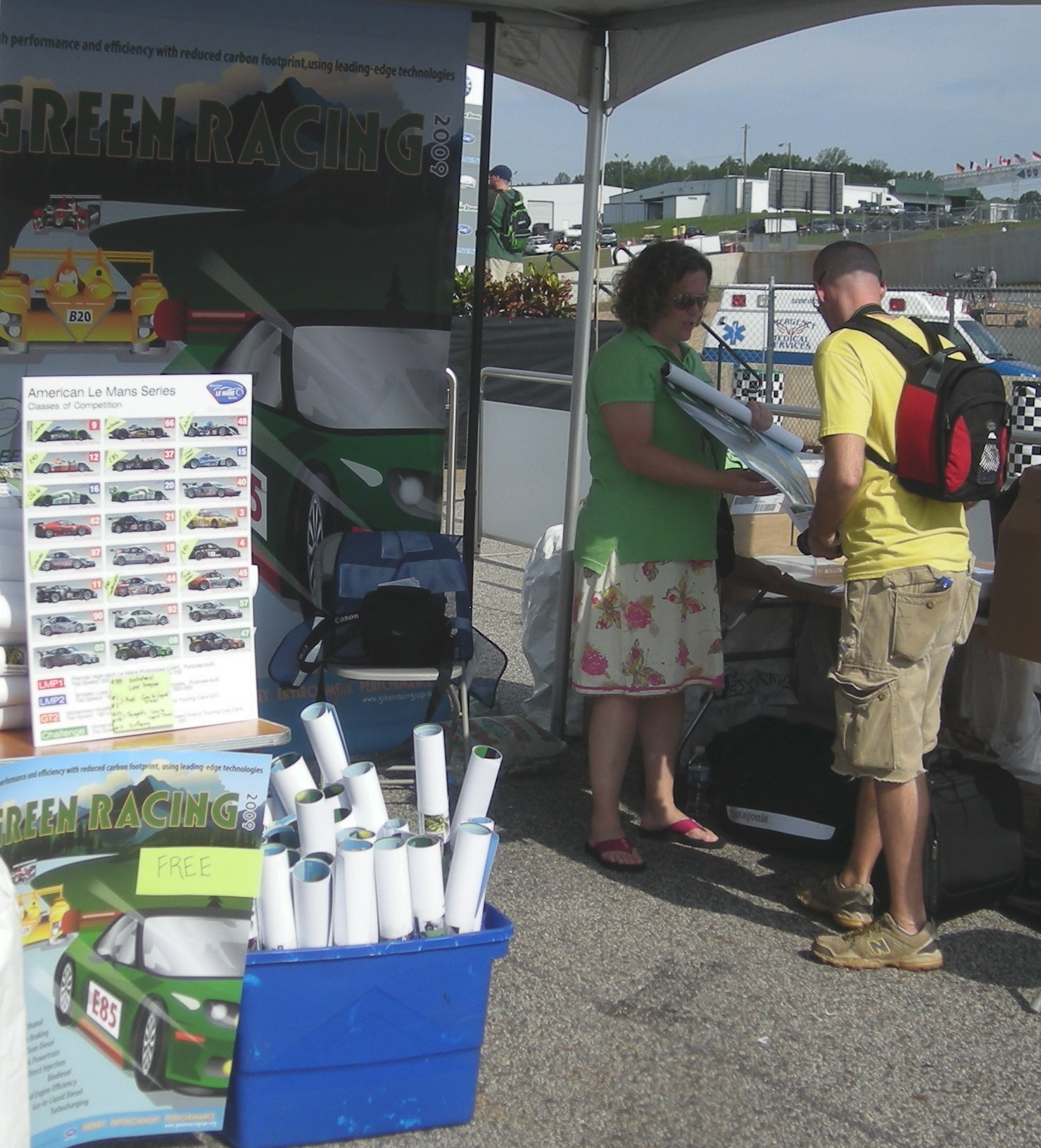
The American LeMans Series demonstrates the importance of the green racing sustainability ethos by providing free take-home information to fans and race professionals, in addition to web-based materials.
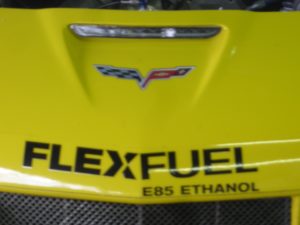
Corvette: A 2008 Green Challenge Winner
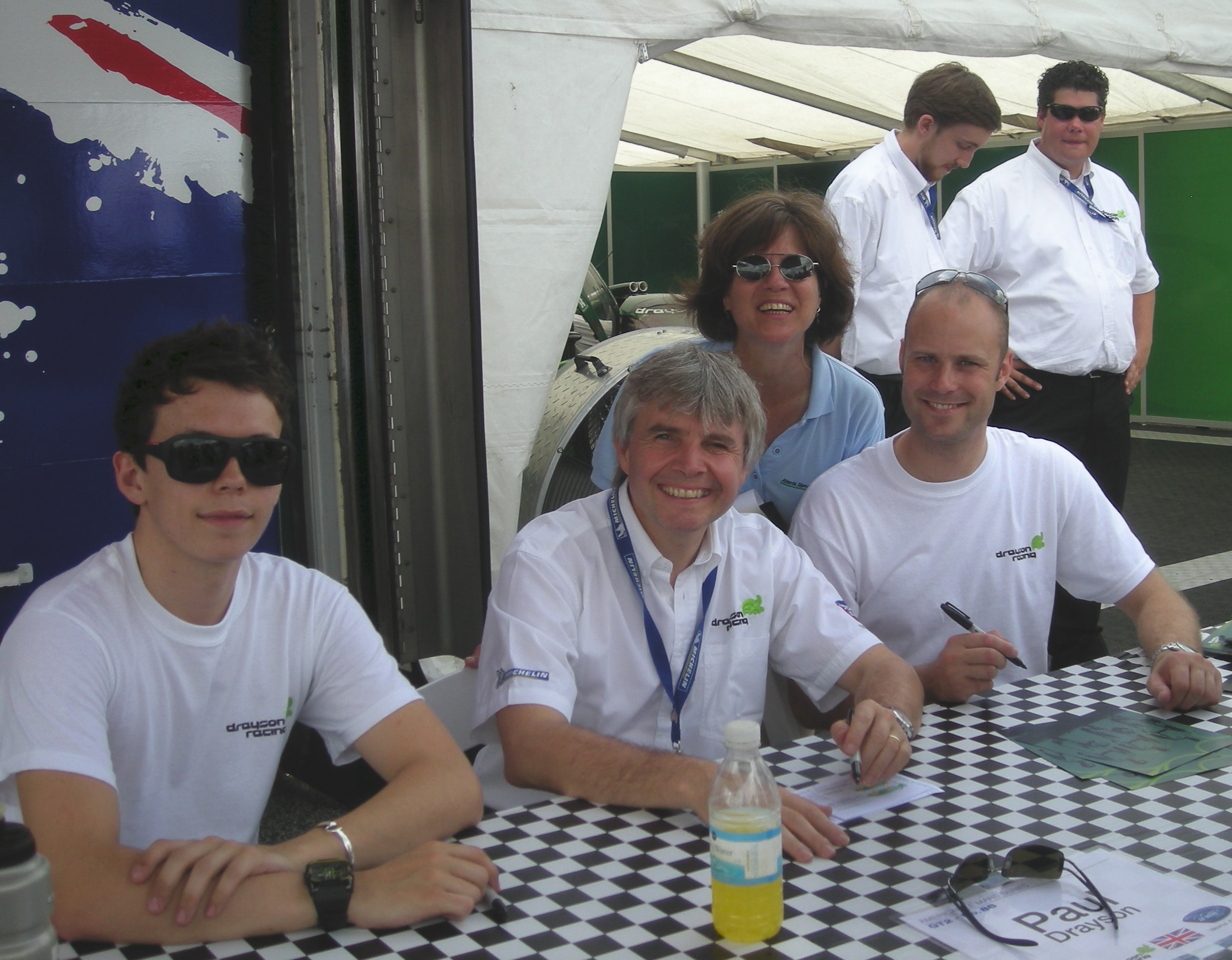 Advanced Biofuels USA's Joanne Ivancic with the Drayson Team drivers, (from left) Jonny Cocker, Paul Drayson and Rob Bell.
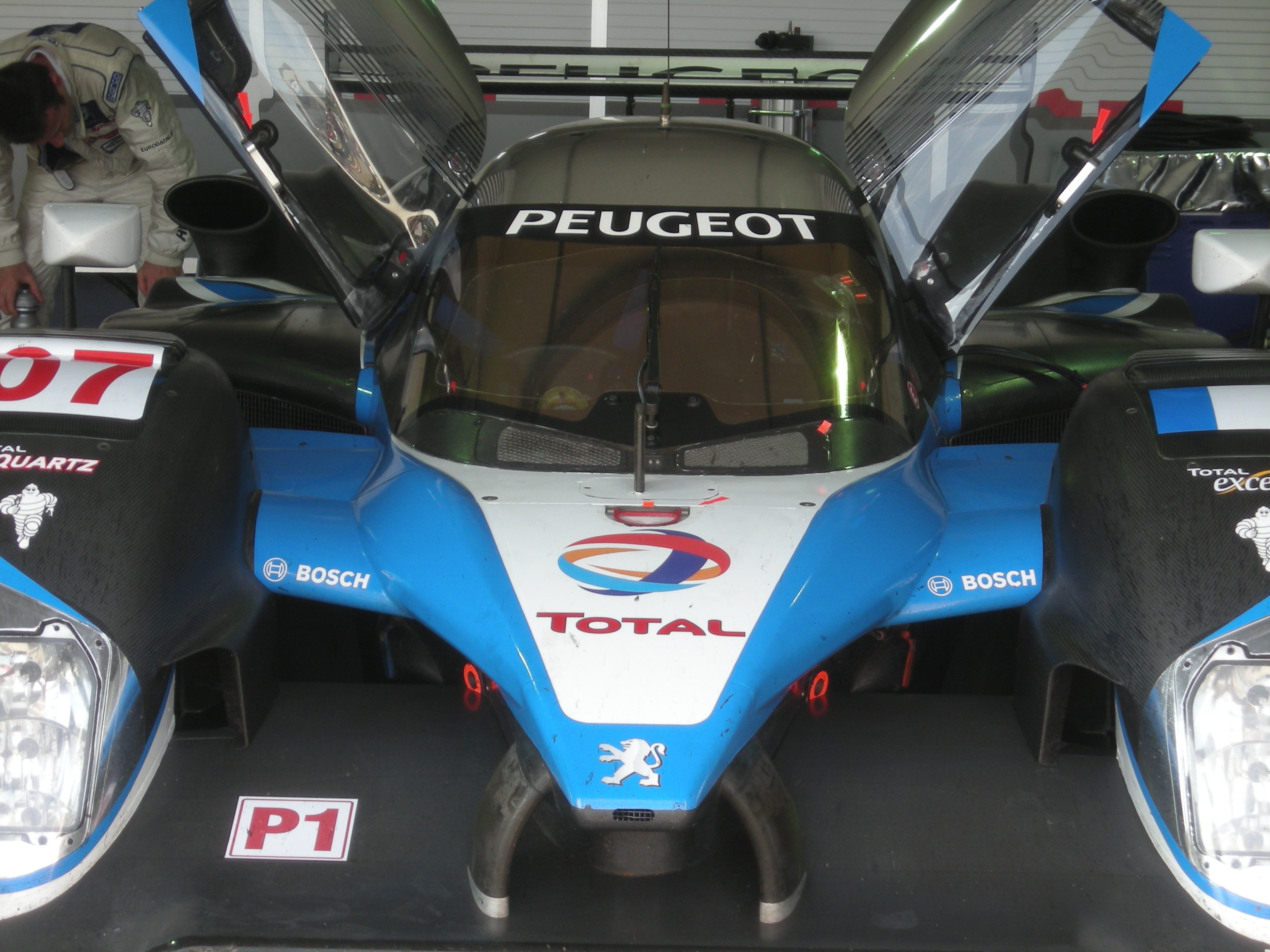 Peugeot's use of oil as a coolant might not have been made public just yet, but for the request to race officials to give them plenty of time before restarting the race to get warmed up. The race never restarted.
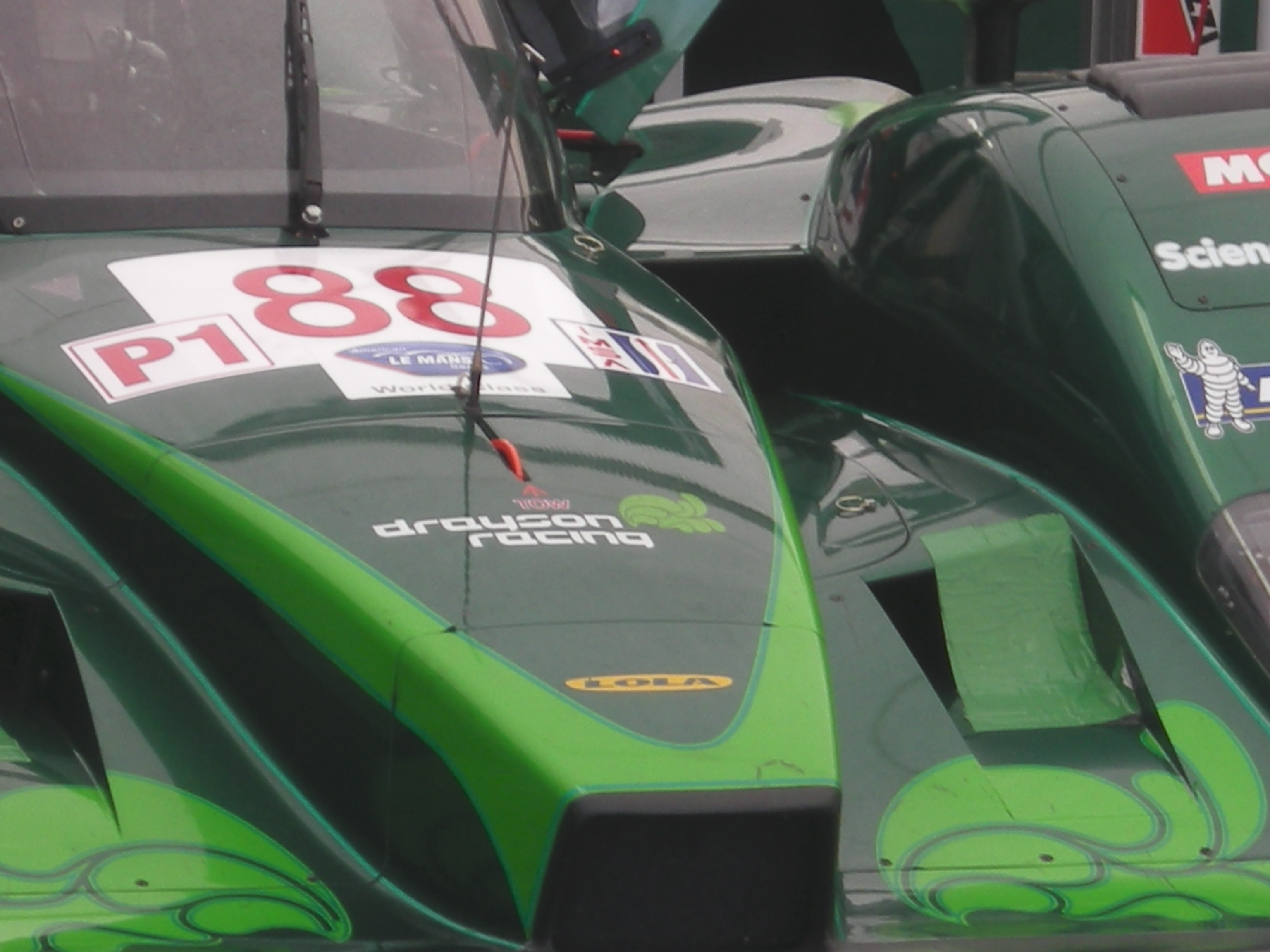 Green duct tape on the air intake. Definitely a technology that can be transfered to street cars.
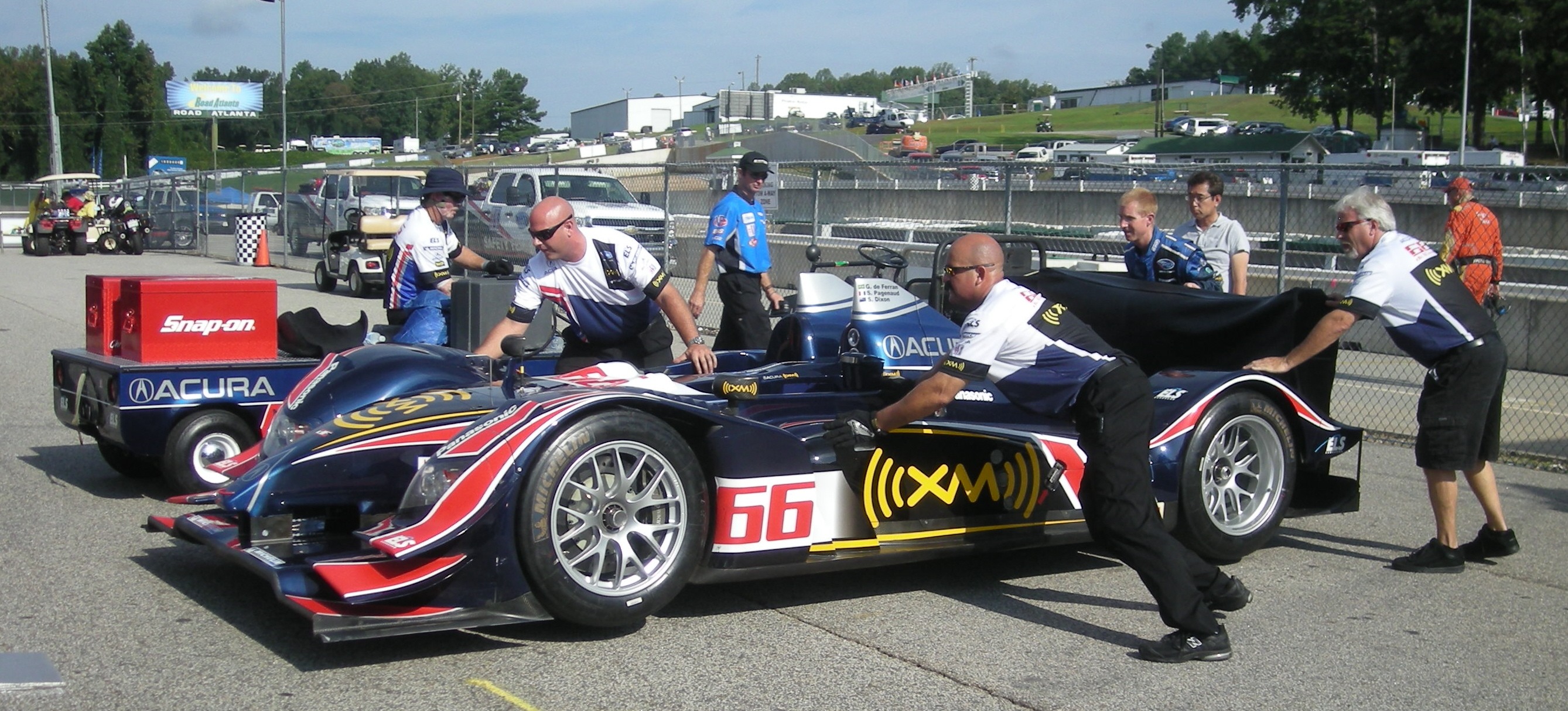 Scott Dixon came from the Indy Cars to join Gil de Ferran and Simon Pagenaud driving the #66 XM Radio Acura for the Petit Le Mans.
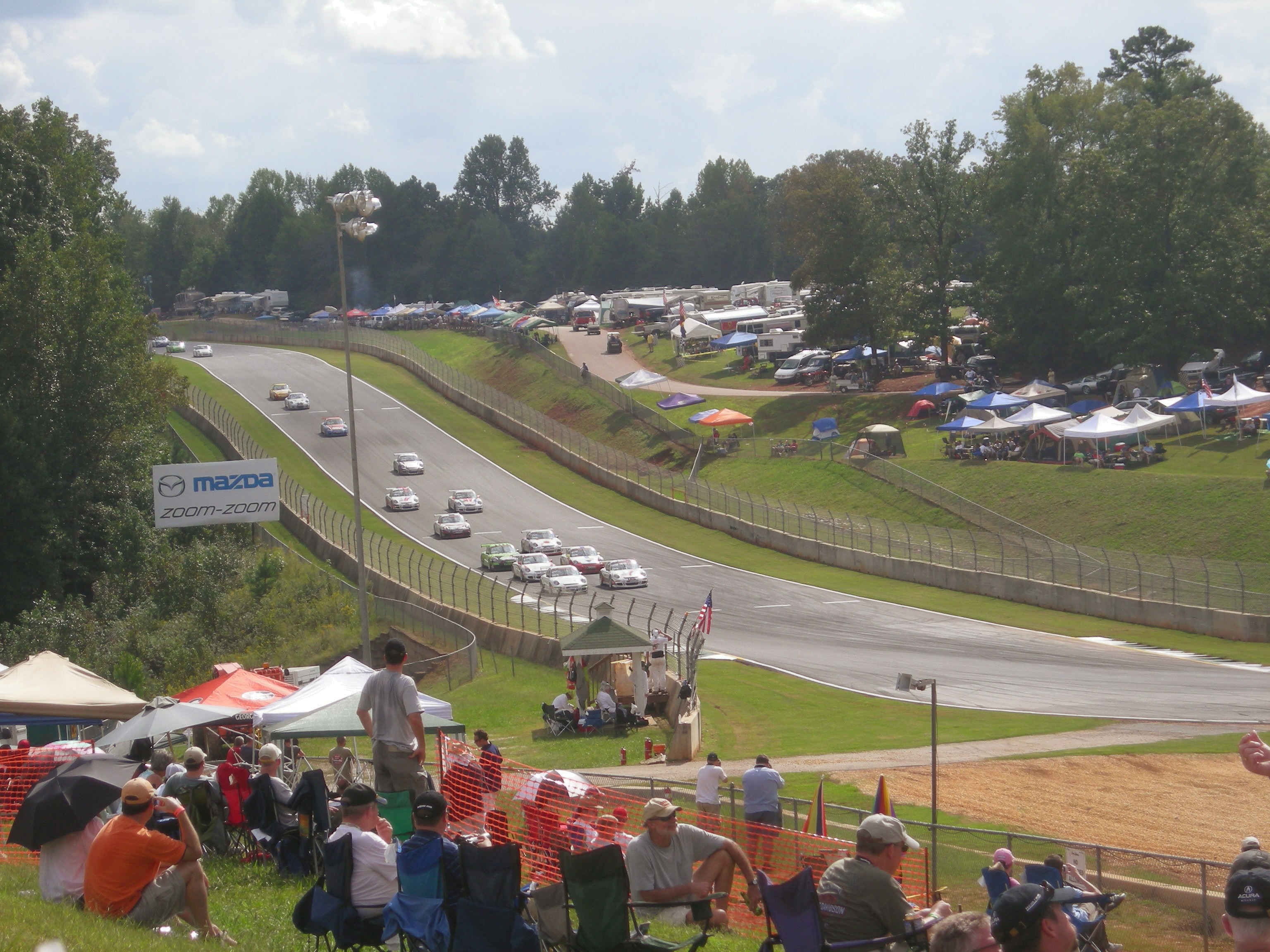 Coming into Turn 10 at Road Atlanta.
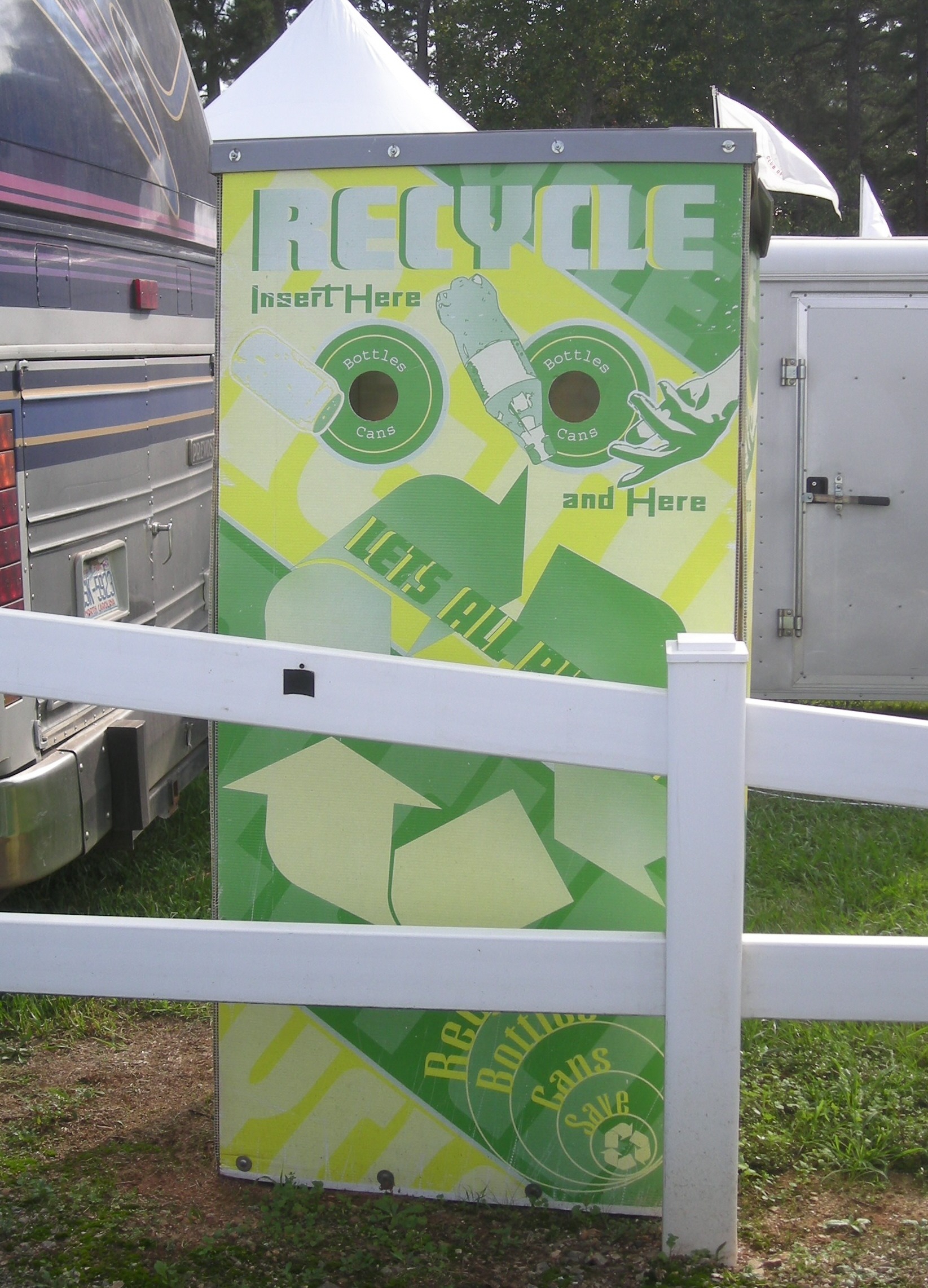 If Road Atlanta and Petit Le Mans really want to "go green," they need a whole lot more of these.
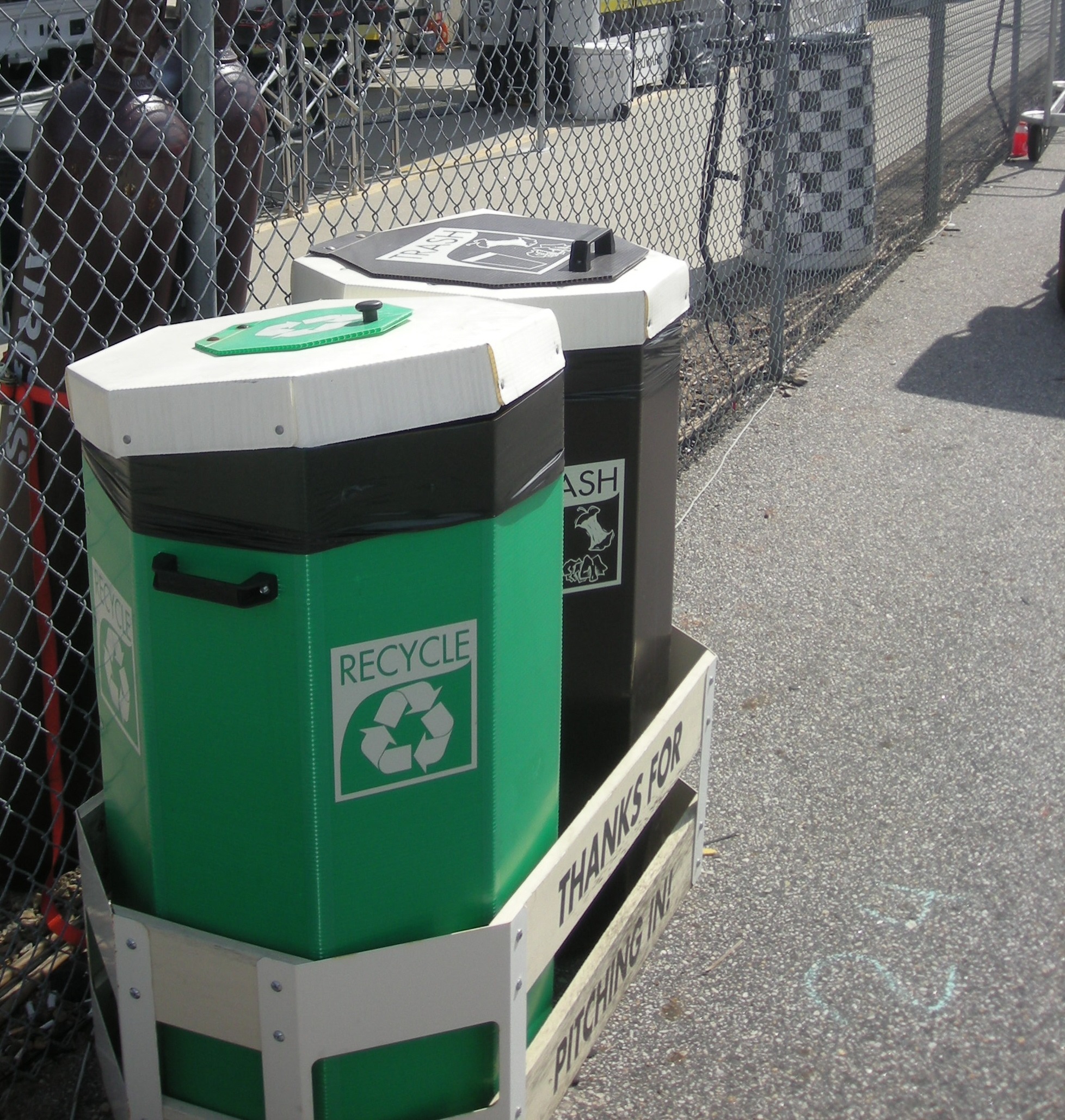 And more of these.
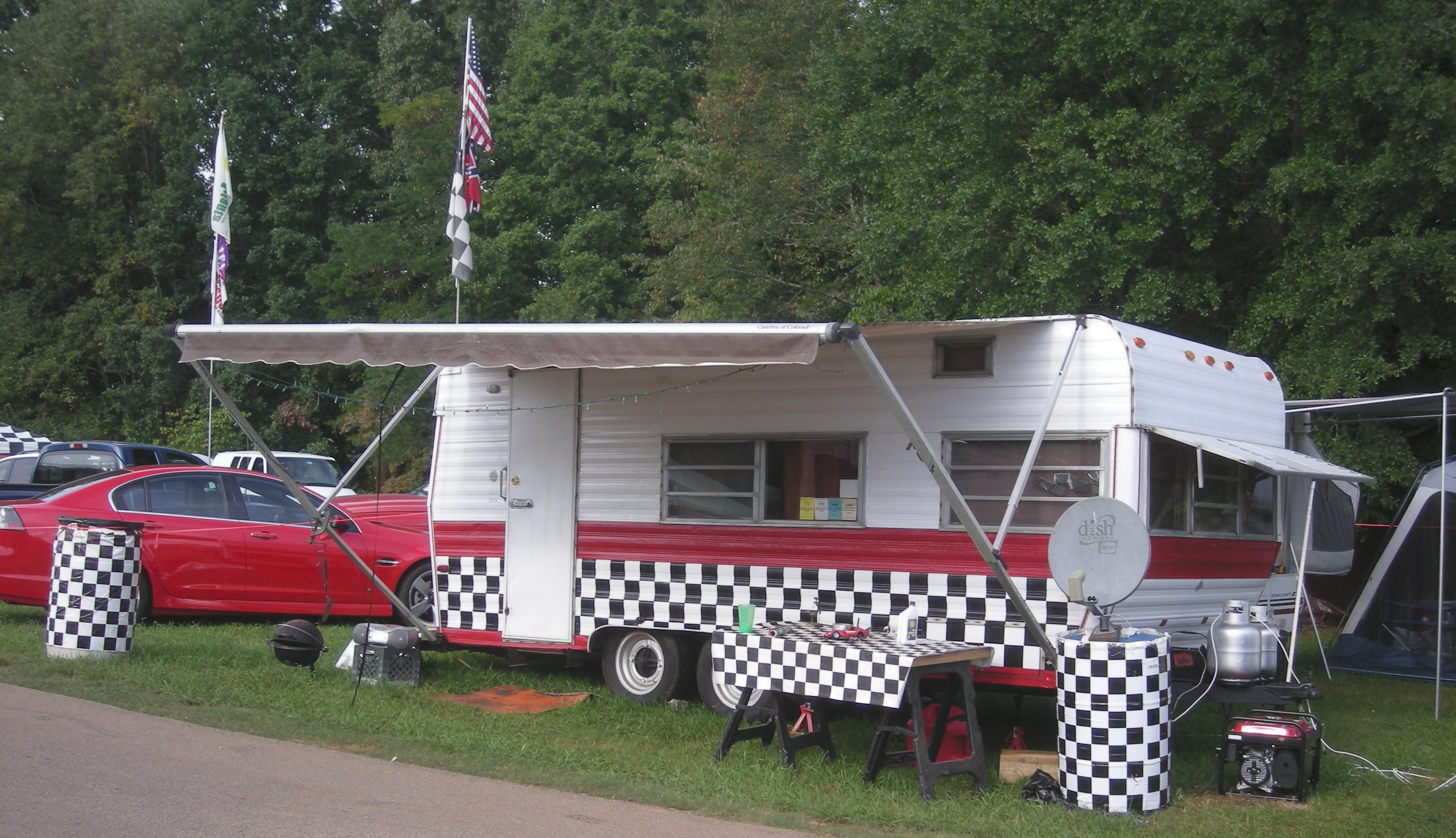 THere must have been 10s of thousands of people camping cheek to jowl. Here, finish line is home.
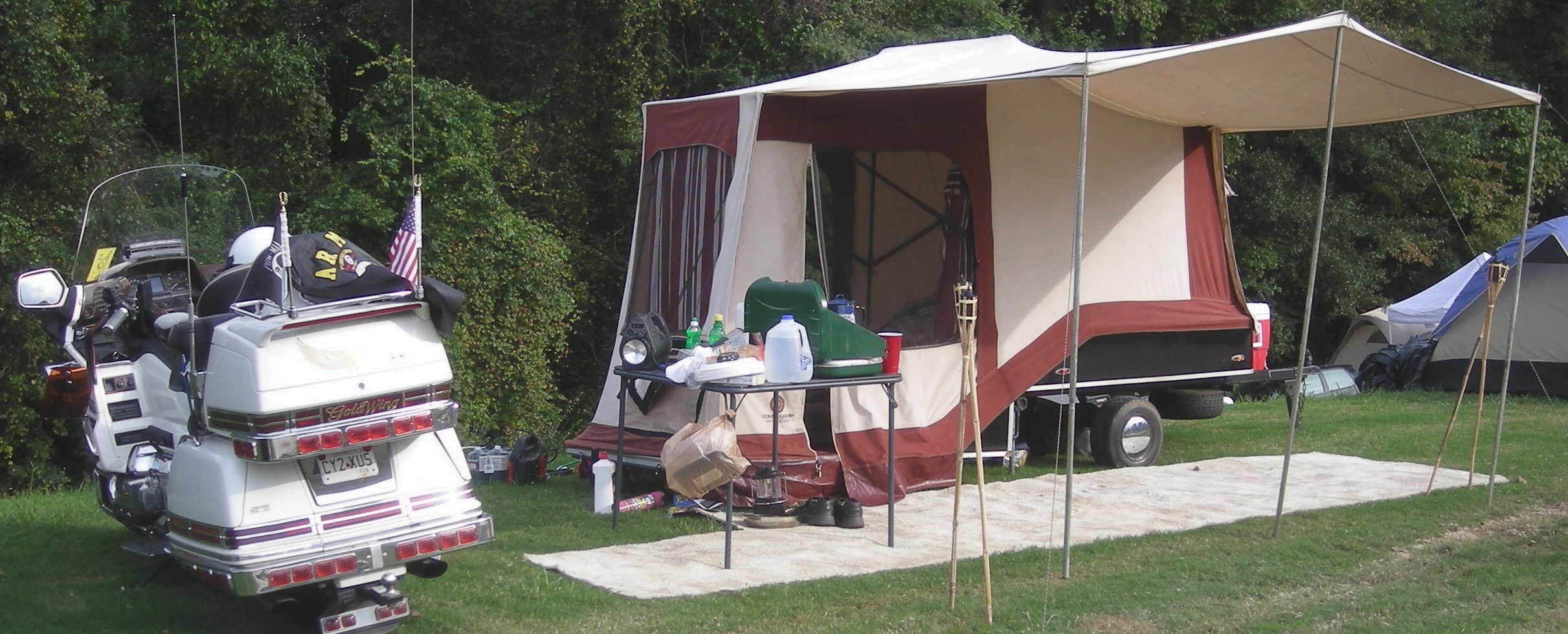 This says something about good things coming in small packages.
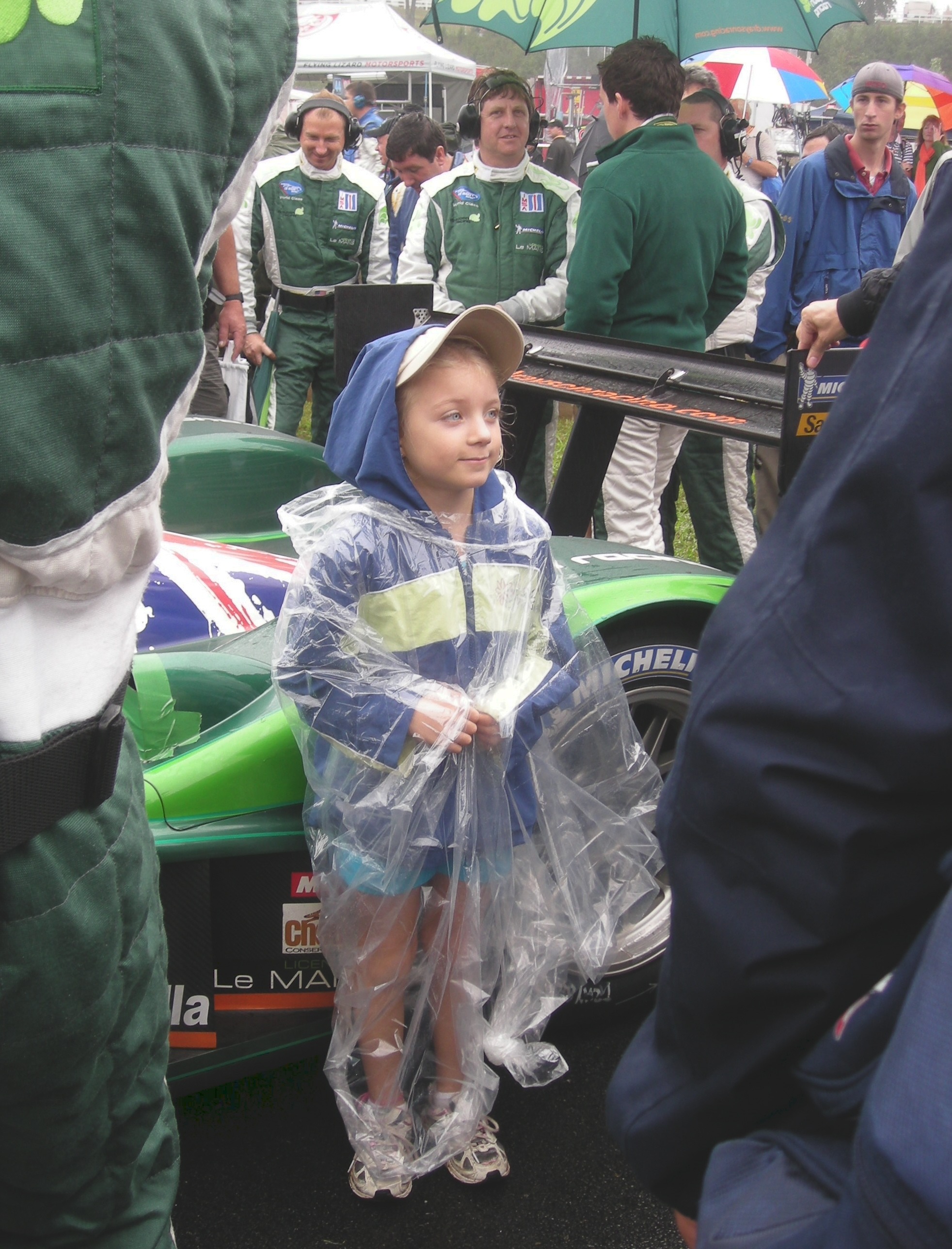 Making memories. When she starts driving, will it be one of these?
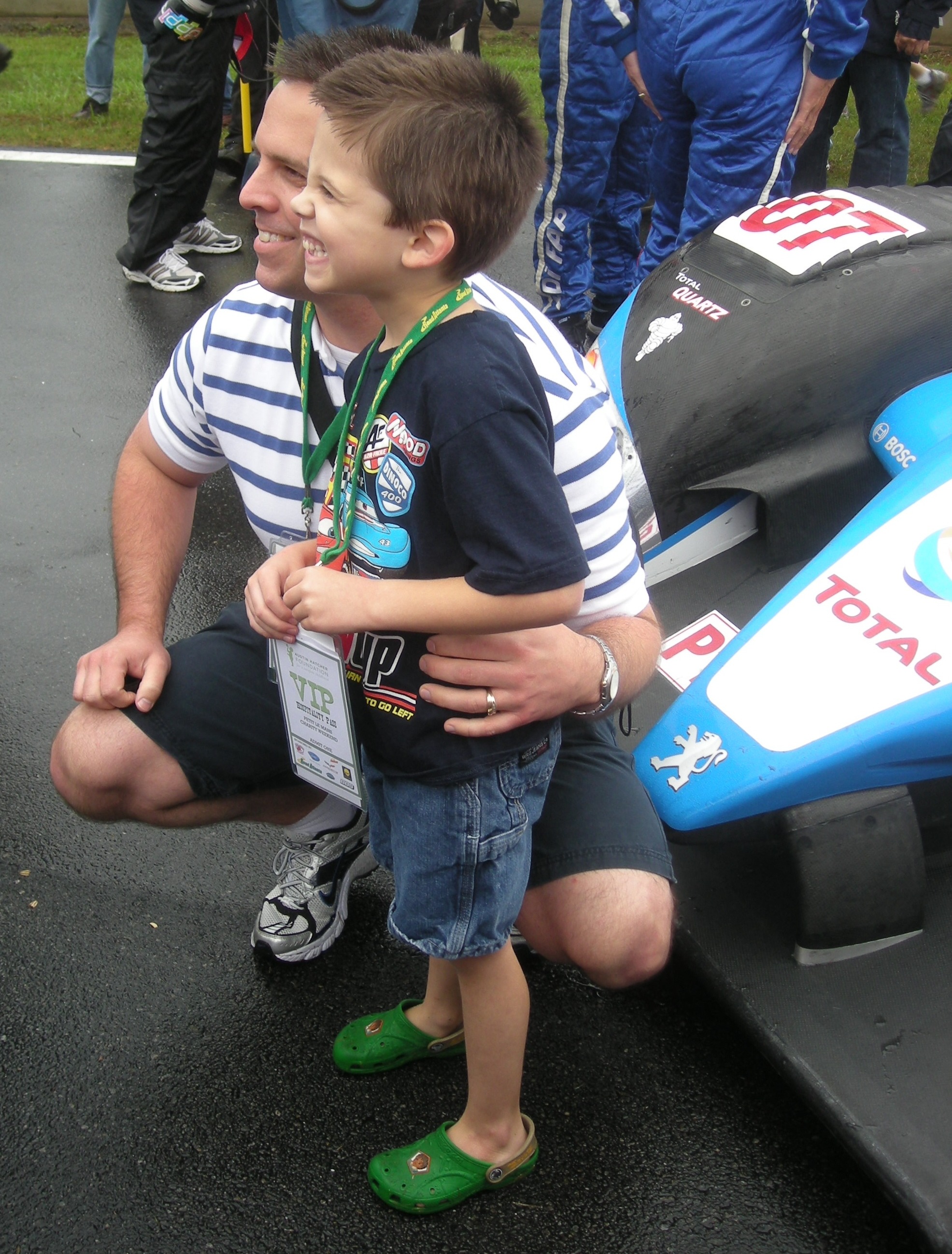 A Peugeot in his future?
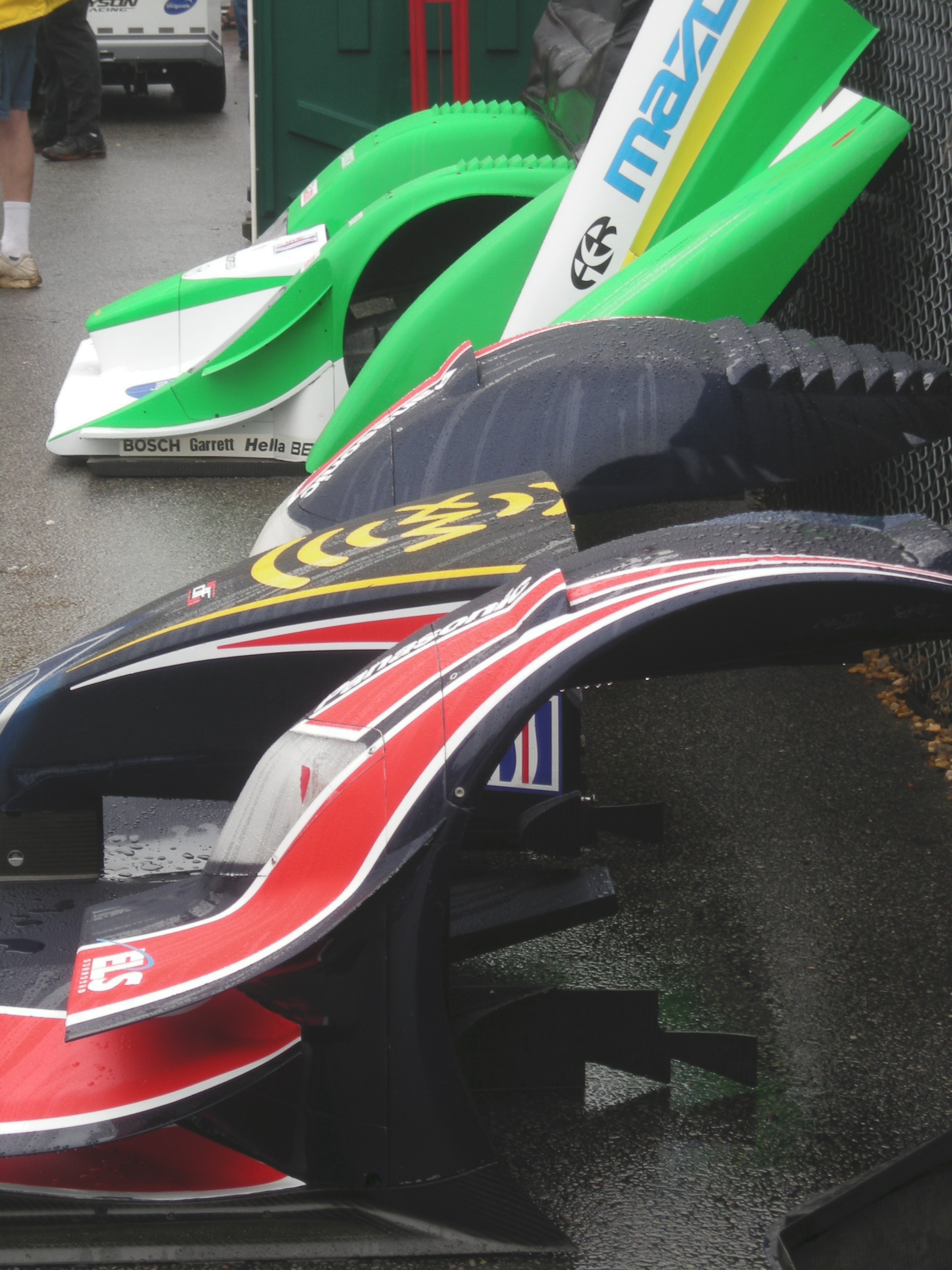 Nice lines.
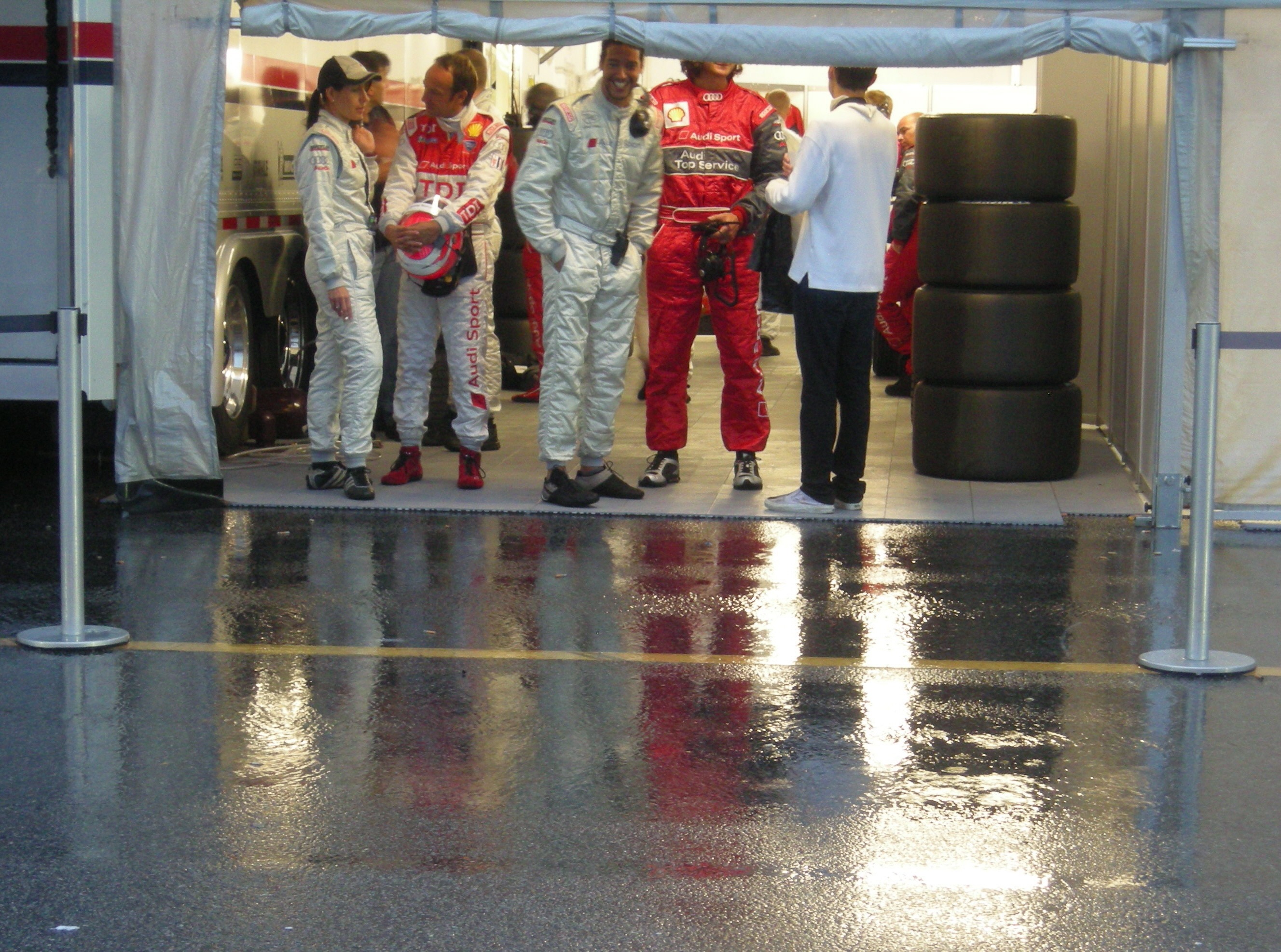 The Audi crew during the deluge.
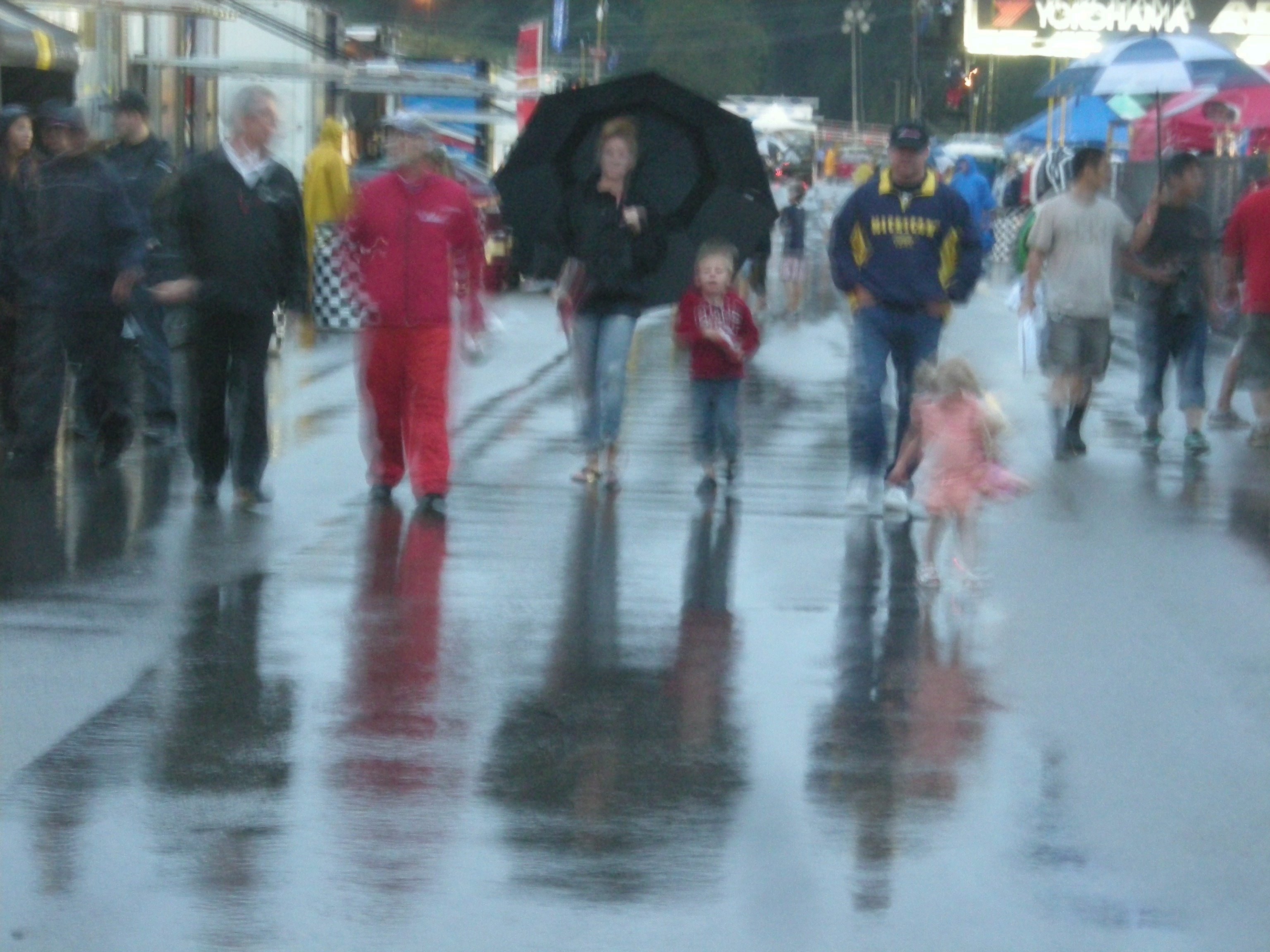 Playing in puddles.
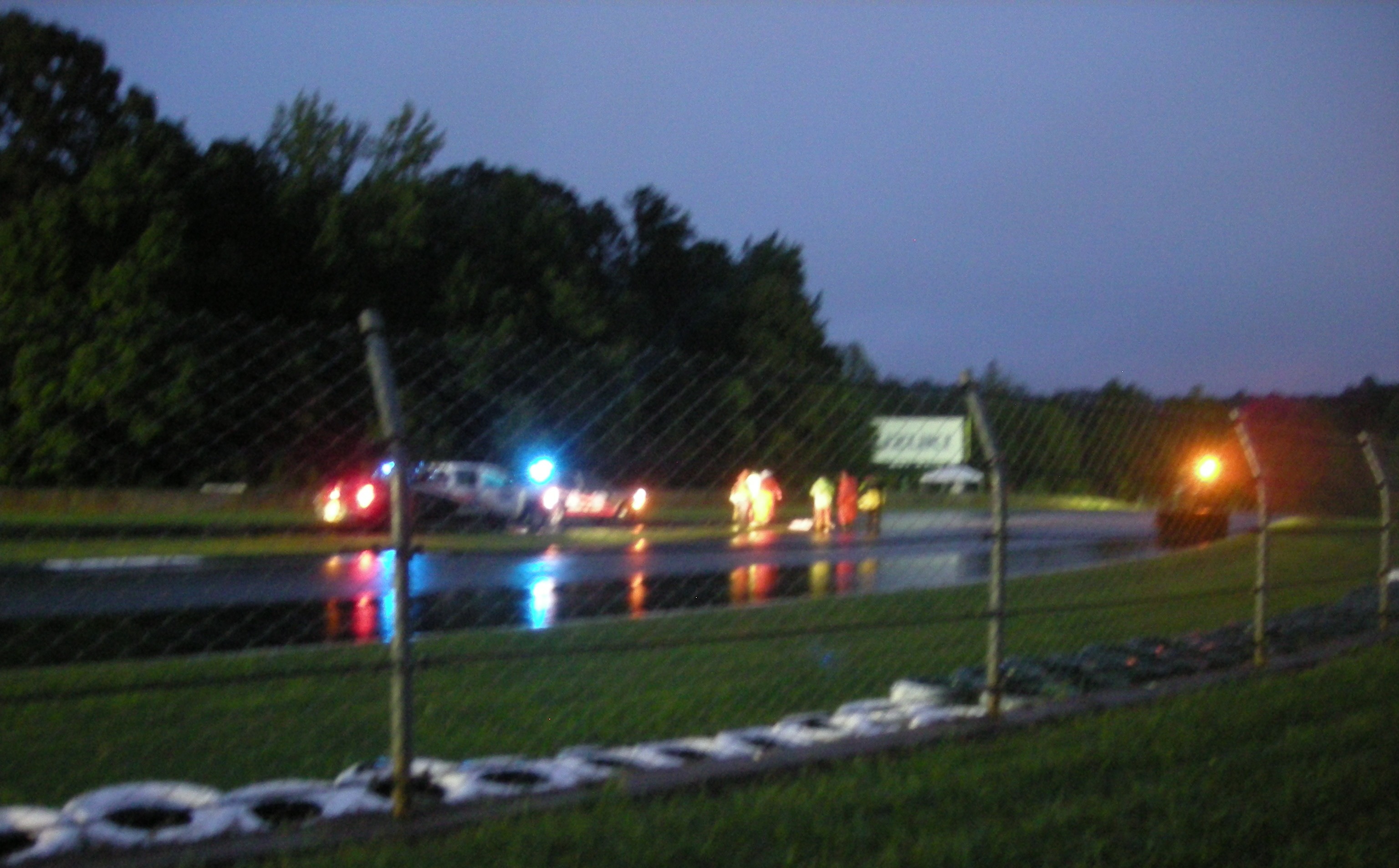 Le Tres Bon Petit Le Mans' corps of engineers try to dam and deflect the racetrack rivers.
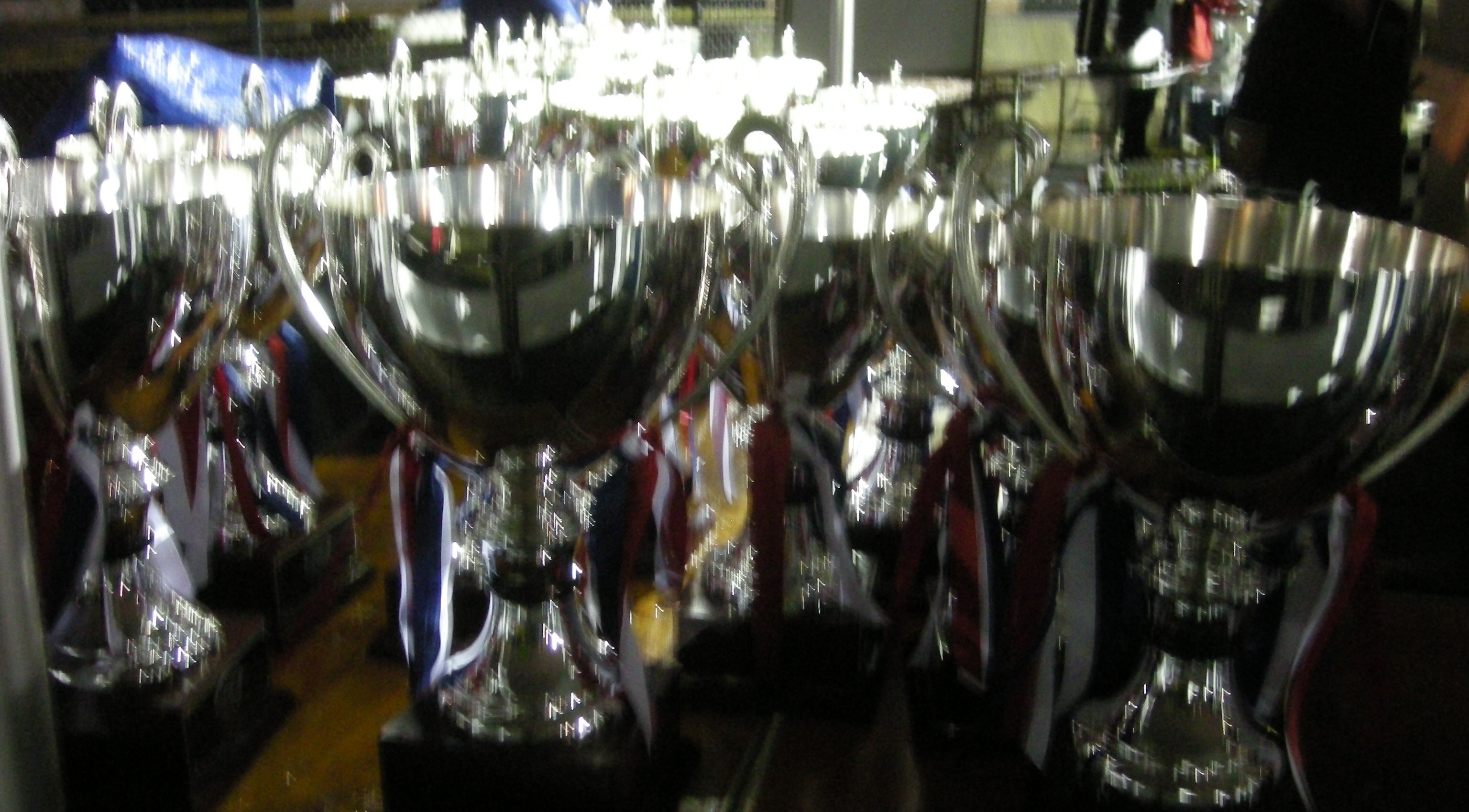 They called it a completed race and presented awards. By that time, it stopped raining.
.jpg)